 postbit
Agent Orange in the Amazon
He was the one who publicly denounced the use of Agent Orange as a defoliant in the Amazon, the same herbicide mixture that had been used in the Vietnam War.
In memoriam
Physician, toxicologist and a pioneer of ecotoxicology in Brazil
19181996
Born in Campinas, Brazil, on March 6, 1918
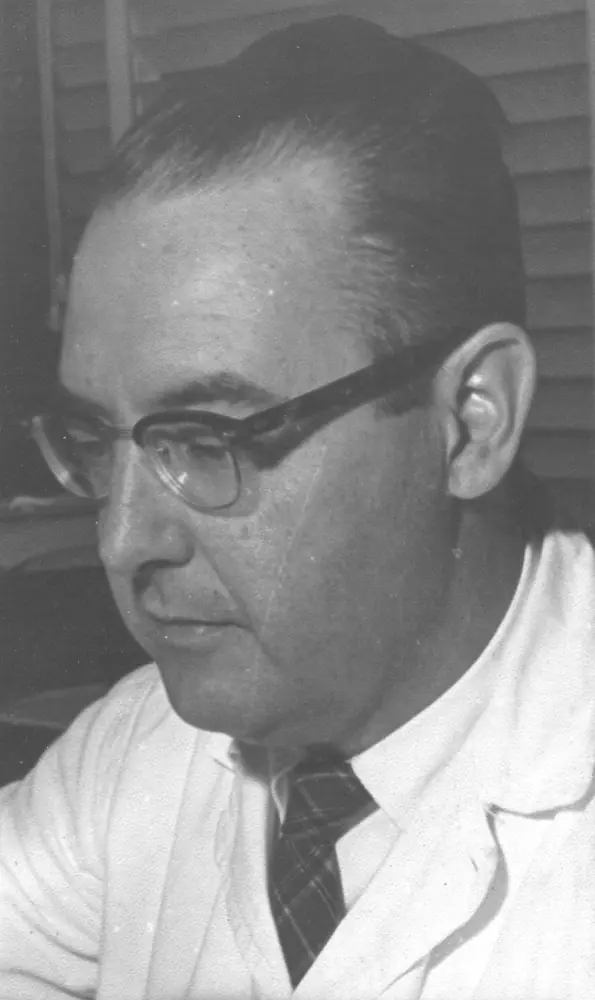
For more than half a century, Dr. Waldemar Ferreira de Almeida devoted himself to a question that seems obvious today but that almost no one was asking at the time: what do the poisons used on crops do to the people who work the fields, to the people who eat the food, and to the environment?
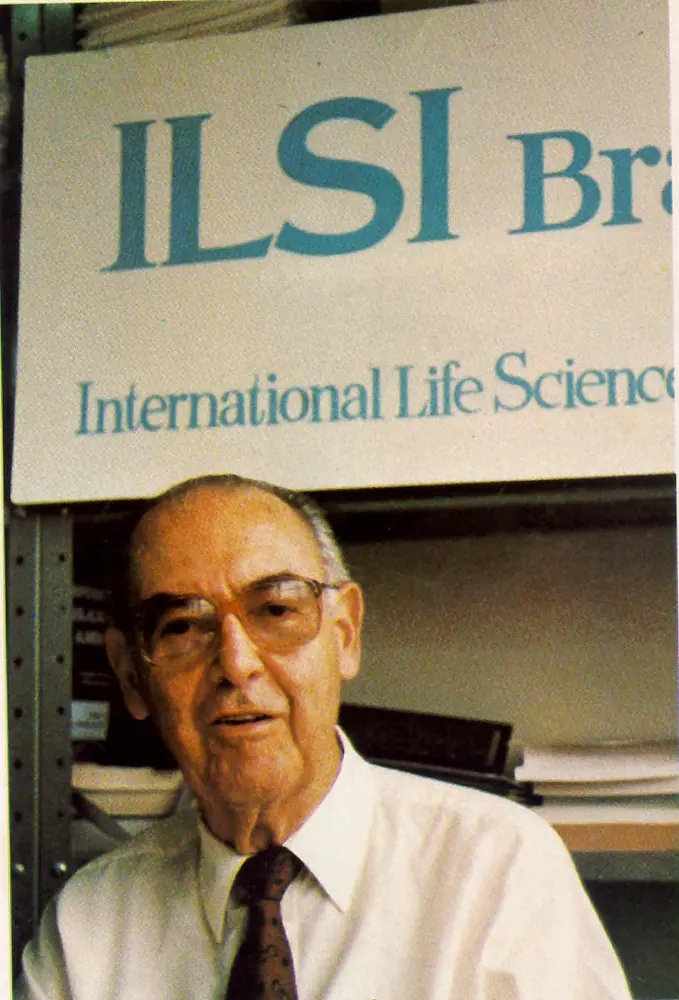
He spent almost his entire career at the Instituto Biológico (Biological Institute) of São Paulo, from 1937 to 1981, where he directed the Biology Division. He then taught Ecotoxicology at the Faculty of Medical Sciences of Unicamp, the University of Campinas, was coordinator of the National Institute for Quality Control in Health of the Oswaldo Cruz Foundation (Fiocruz), and executive director of ILSI Brasil, the Brazilian branch of the International Life Sciences Institute. He chaired CONAP, the Ministry of Health’s national advisory commission on toxicology, and the Brazilian Society of Ecology, a scientific department he founded within the Brazilian Medical Association. For three decades, he was an expert in pesticide toxicology for the World Health Organization and FAO.
He also made a point of talking to non-specialists: he gave dozens of lectures around the country, wrote articles and gave interviews to newspapers and magazines.
Legacy
He was the one who publicly denounced the use of Agent Orange as a defoliant in the Amazon, the same herbicide mixture that had been used in the Vietnam War.
He secured a ban in Brazil on organomercury fungicides for treating seed intended for planting; in Iraq, eating bread made from mercury-treated seed grain had caused many deaths. He represented Brazil at the WHO conference on these poisonings, in Baghdad, in 1974; the following year, Brazil banned pesticides containing methylmercury.
He helped found toxicology in the country: the toxicology and residue laboratories of the Instituto Biológico, the first congresses and the first steps of the Brazilian Society of Toxicology, the ecotoxicology courses at Unicamp, and the Ministry of Health’s limits for residues in food and toxicological classification of pesticides.
In pictures
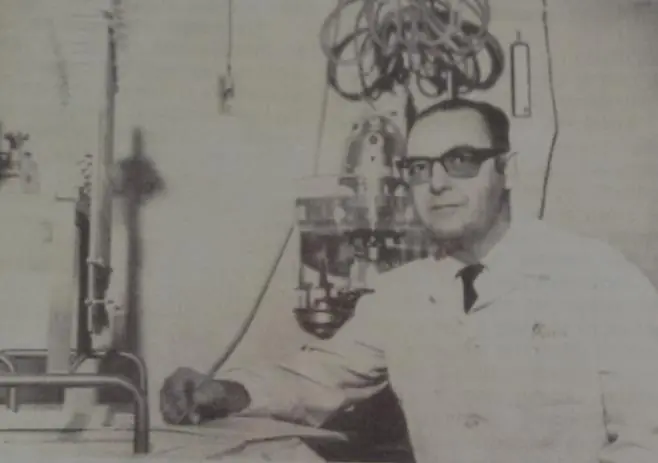
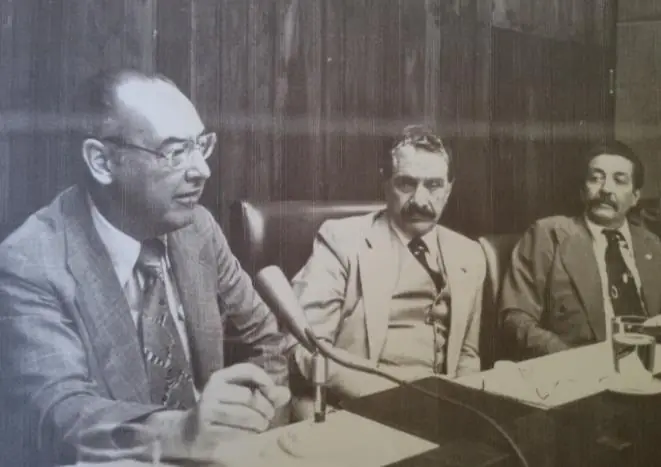
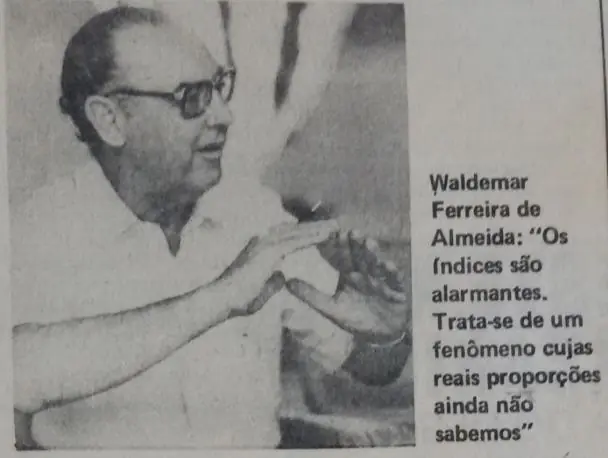
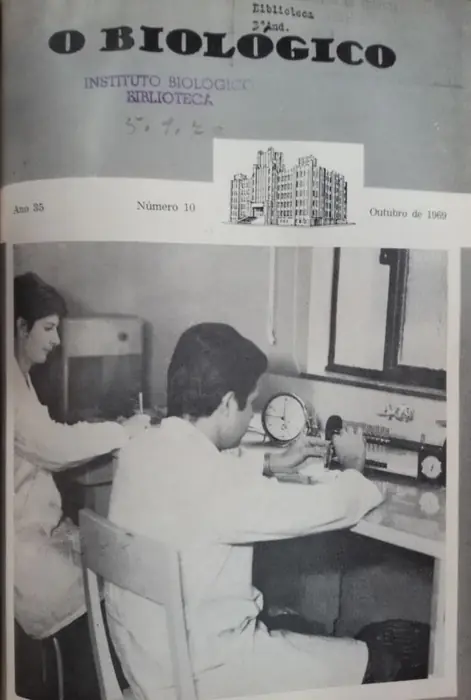
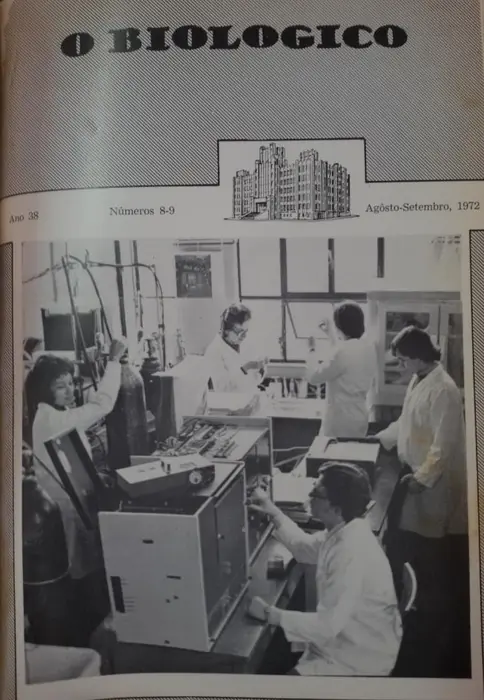
Photos and covers from the Waldemar Ferreira de Almeida collection and the archives of the Memory Center of the Instituto Biológico, reproduced in Leonardo de Bem Lignani’s thesis (2022).
1972 · The thesis
For his doctorate in Public Health, funded by WHO, he followed hundreds of men for years: the sprayers of the anti-malaria campaigns in Rio de Janeiro, Espírito Santo and São Paulo, residents of sprayed houses and comparison groups. The blood was analyzed at the Instituto Biológico, on the chromatograph brought by the BRA-24 project.
The most disturbing result was not among the workers. People with no occupational exposure also had DDT in their blood, at levels well above those found in the United States, Argentina and England, and some also had BHC (hexachlorocyclohexane) in their blood, although it was not used in the campaigns. The likely explanation was food. The last conclusion of the thesis was that “DDT is being used excessively or improperly in Brazil”.
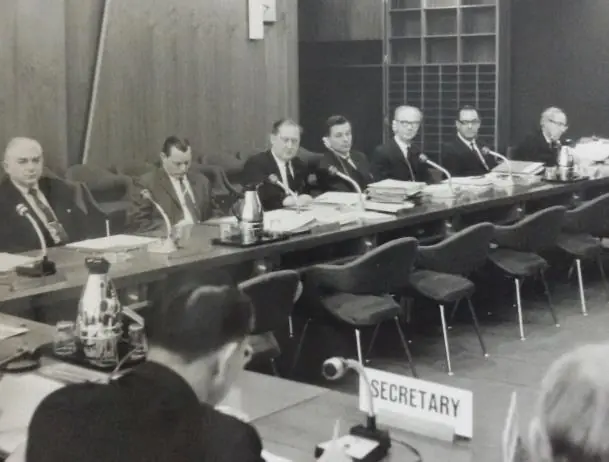
In October 1972, he took the results to Geneva as vice-chairman of the WHO Expert Committee on Insecticides, the committee that laid the foundations of the classification of pesticides by hazard that WHO still publishes today.
…indicates that it is being absorbed by the population in general, probably through eating food containing DDT residues from the agricultural use of this persistent chlorinated insecticide.
Life and work
A true marathon of congresses and missions, year after year, always coming back to the same theme: protecting people from the risks of pesticides.
Born on March 6 in Campinas, in the state of São Paulo, to José Ferreira de Almeida and Amélia Alves de Almeida.
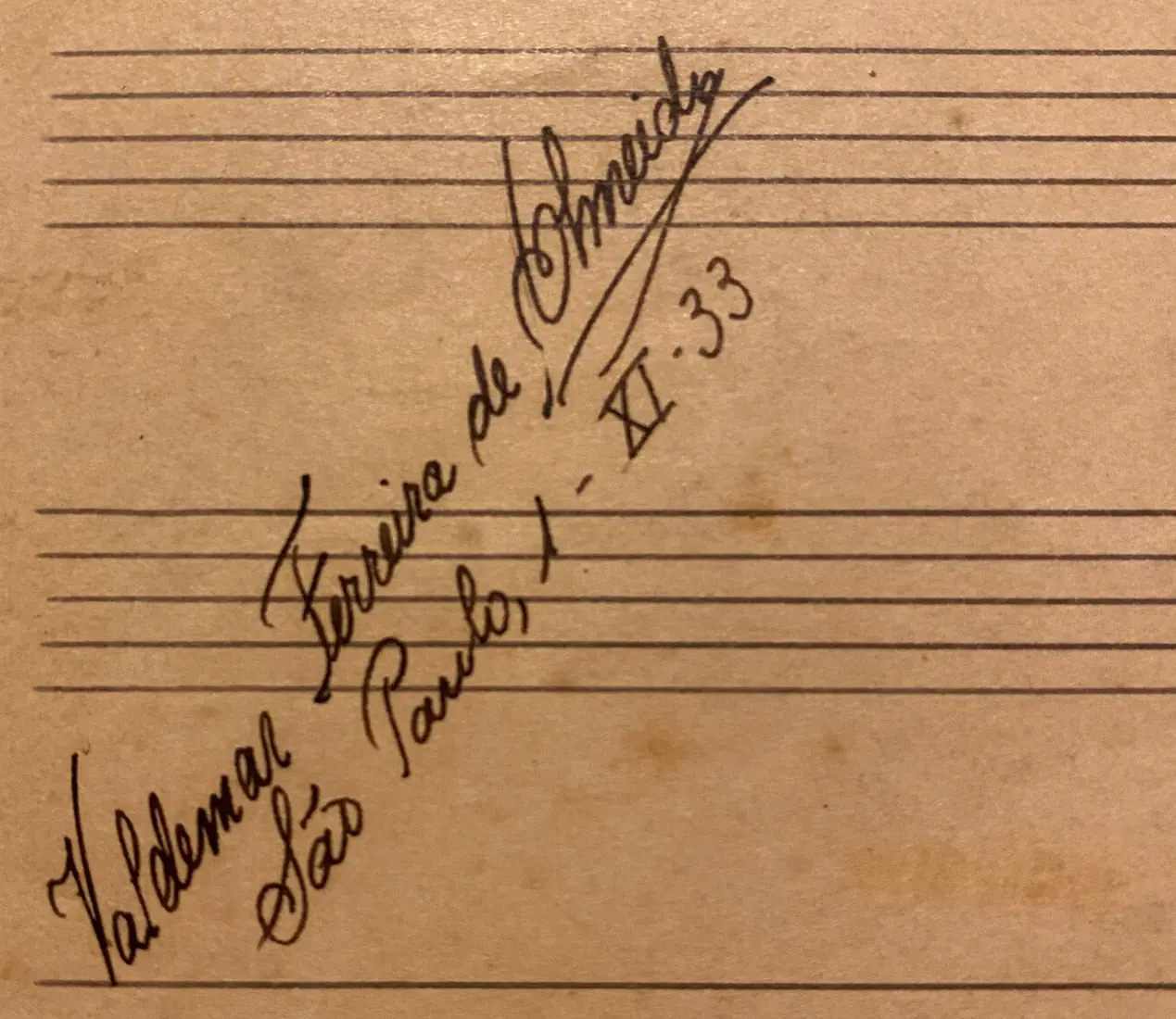
In São Paulo, he signs and dates a music notebook.
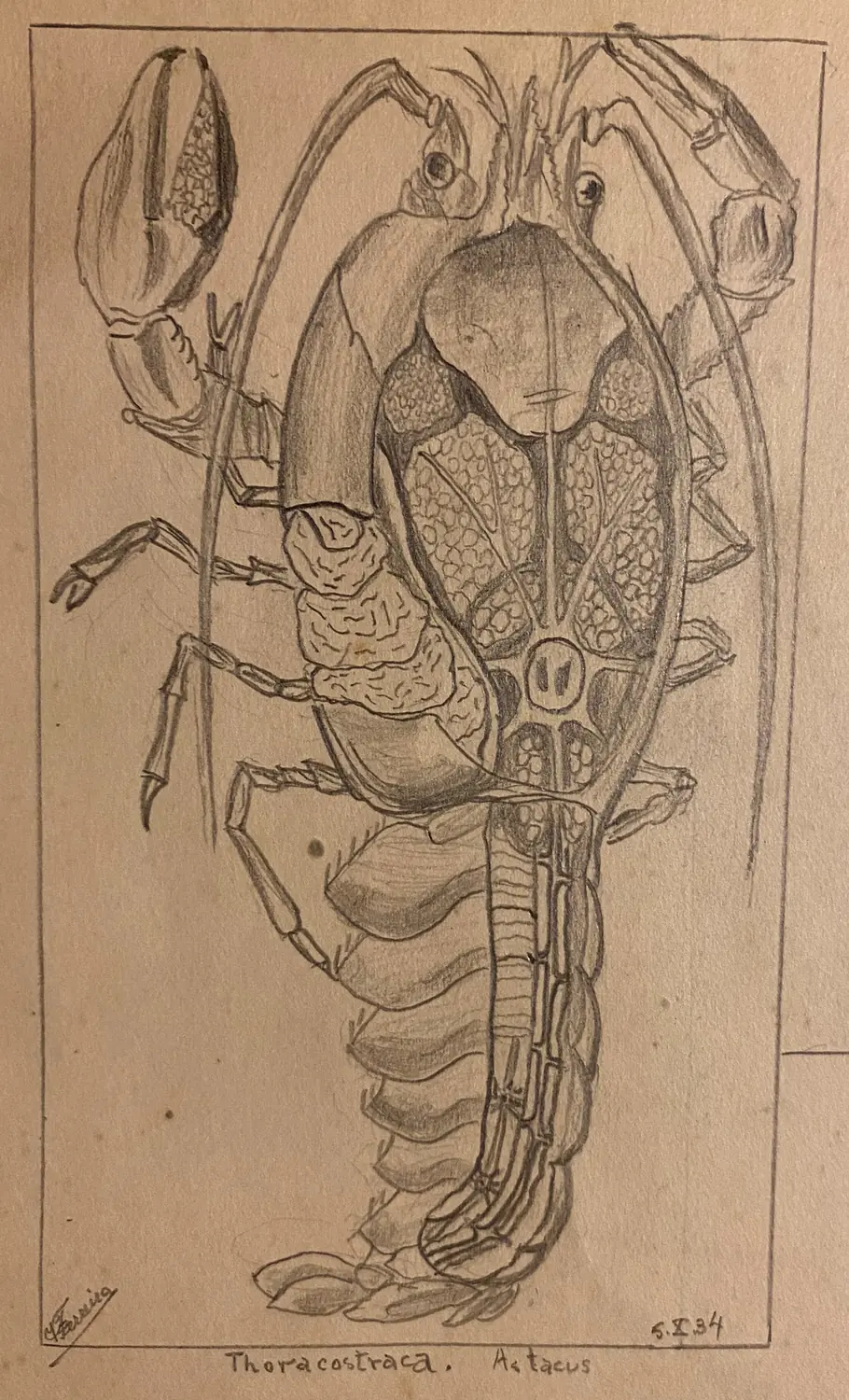
At 16, he draws in pencil a crayfish with its carapace open, showing the internal organs, and classifies it as in the textbook: “Thoracostraca. Astacus”.
Still a student, he starts as a volunteer assistant at the Instituto Biológico, in the Parasitology Section, co-authoring papers with Clemente Pereira.
He is appointed to the state Department of Agricultural Health Protection and begins his career at the Instituto Biológico. That same year, he marries Maria Elisa Wohlers de Almeida.
He graduates from the Faculty of Medicine of the University of São Paulo, specializing in Parasitology, Hygiene and Tropical Diseases.
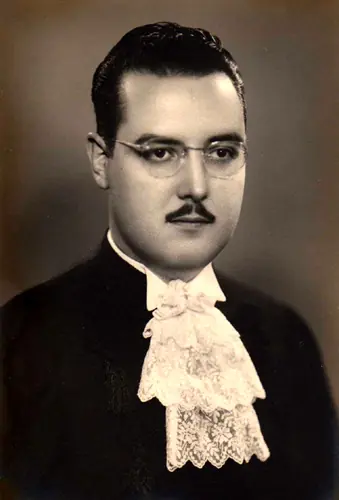
Rosa Maria, his first daughter, is born. Four years later, in 1949, Márcio is born.
After studying the drying of the tuberculosis vaccine with the National Tuberculosis Service, he presents in Lima, Peru, a biochemical method to measure the viability of dried BCG, with a precision the bacteriological methods of the time did not have.
When José Reis retires, he takes over as a division director of the Department of Agricultural Health Protection. In 1960, he becomes Technical Director of the Division of Microbiology and Hygiene. The toxicology center he heads at the Institute is regarded as one of the origins of Brazilian toxicology.
In Rio de Janeiro, he works on setting maximum levels for agricultural pesticides, against the risk of poisoning. He receives a Rockefeller Foundation fellowship to study scientific documentation in Washington and New York.
He is unanimously chosen for the Editorial Board of the Arquivos do Instituto Biológico.
Together with FAO, he prepares Brazil’s request to the United Nations for a central pesticide laboratory at the Institute. Signed in 1968, the project (UNDP/FAO/WHO) would have him as its National Director.
He studies the epidemiology of DDT poisoning, examining for several years in a row the workers who handled and sprayed the insecticide in Rio de Janeiro, Brasília and Espírito Santo.
BRA-24 creates a whole division at the Instituto Biológico, with sections for chemistry, pesticides, fungicides, herbicides and residues, a toxicology laboratory and a modern gas chromatograph, bought with the project’s funds.
At the School of Public Health of the University of São Paulo, supervised by Oswaldo Paulo Forattini, he defends the thesis “Níveis sanguíneos de DDT em indivíduos profissionalmente expostos e em pessoas sem exposição direta a este inseticida no Brasil” [Blood DDT levels in occupationally exposed individuals and in people without direct exposure to this insecticide in Brazil].
He chairs the working group of the Ministry of Health’s Insecticide Commission and spends three weeks in Ecuador, for the Pan American Health Organization, studying the pesticides used on the main crops.
With his team, he provides toxicological oversight of the pesticides used against the mosquitoes that transmitted the viral encephalitis then spreading along the São Paulo coast.
As director of the Instituto Biológico’s Animal Biology Division, he explains to the newspaper O Estado de S. Paulo that DDT was allowed in agriculture only on cotton, peanuts and soybeans. On the same page, another story showed organochlorine insecticides also widely used on wheat and coffee.
He testifies before the parliamentary inquiry in the Chamber of Deputies on September 13. That same year, he presents a list of pesticides he considered carcinogenic, noting that, for these substances, “any dose, however small, always produces irreversible damage”.
In the debate over the pesticide prescription system, he argues in the magazine Atualidades Agropecuárias that those who apply pesticides should go through training and a licensing exam.
In February, he speaks on “Agromedicine and pesticide management” at the international congress of occupational medicine in Buenos Aires. In April, aged 63, he retires from the Instituto Biológico. In May, before the pesticide inquiry of the Rio Grande do Sul state legislature, he calls for banning carcinogenic, mutagenic and teratogenic pesticides.
He studies at the Poison Control Center in Paris and at the Istituto Superiore di Sanità in Rome.
He joins a WHO advisory group on pesticide toxicology in Geneva. In the following years, he returns to Rome and Geneva for the FAO and WHO expert meetings.
At the invitation of Brazil’s Foreign Ministry, he helps draft the Brazilian report for the United Nations Conference on the Human Environment. In October, he is vice-chairman of the WHO Expert Committee on Insecticides in Geneva.
From November 9 to 13, he represents Brazil at the WHO conference on the poisonings in Iraq caused by eating bread made from mercury-treated seed grain. In 1975, Brazil’s Ministry of Agriculture bans pesticides containing methylmercury and other alkylmercury compounds.
In the Netherlands and in Rome, he discusses pesticide residues in food; in Galveston, Texas, he attends the annual course in genetic toxicology.
As a member of the WHO Expert Group on Pesticide Residues, he takes part in the Joint FAO/WHO Meeting on Pesticide Residues in Geneva.
He joins the International Programme on Chemical Safety (IPCS), created by WHO, the ILO and the United Nations Environment Programme.
As Unicamp, the University of Campinas, establishes its Environmental Health area, he joins the Department of Preventive and Social Medicine of its Faculty of Medical Sciences as professor of Ecotoxicology. In 1983 alone, the agromedical team of the pesticide surveillance program examines more than a thousand workers in the insecticide industry.
At the request of the São Paulo state legislature, he provides a formal opinion on the bill that would become the state’s pesticide law and takes part in the meetings on its regulation.
At Fiocruz, he debates “Pesticides and Health” at the round table of the National School of Public Health, published in Cadernos de Saúde Pública.
Coordinator of INCQS, the National Institute for Quality Control in Health of the Oswaldo Cruz Foundation, in Rio de Janeiro, where he coordinated several programs.
Executive director of ILSI Brasil (International Life Sciences Institute).
Chairman of CONAP, the Ministry of Health’s national advisory commission on toxicology.
He dies in 1996. His papers, donated by the family, form the Waldemar Ferreira de Almeida collection at the Memory Center of the Instituto Biológico, today a source for research on the history of pesticides in Brazil.
Brazil banned DDT in agriculture in 1985, in public health campaigns in 1998 and entirely in 2009.
1980 · Teach or ban?
In the late 1970s, Brazil was debating the receituário agronômico, a system under which pesticides could be sold only with a prescription from an agronomist. On one point all sides agreed, the lack of training of the people who applied the products, and Dr. Waldemar was among those who pressed that point.
He pointed out that the products had labels, but that the people applying them often could not read. And he proposed the licensed applicator, as in developed countries: a training course, a licensing exam, a work record book and an ID, and only then permission to buy and apply the products. The prescription requirement became law in 1989.
For José Prado Alves Filho, who studied this controversy at the University of São Paulo, he “played an important role in building a critical mass in the technical and scientific community, in shaping a more critical view of the occupational and environmental health problems involved in the use of pesticides”.
Pesticide applicators need to know what they are applying. (…) These individuals receive no information from foremen, bosses or farmers. Those in charge explain that if the applicators are told how dangerous the product is, they will leave: they do not want to do the work. (…) Lack of information is regrettable and malevolent.
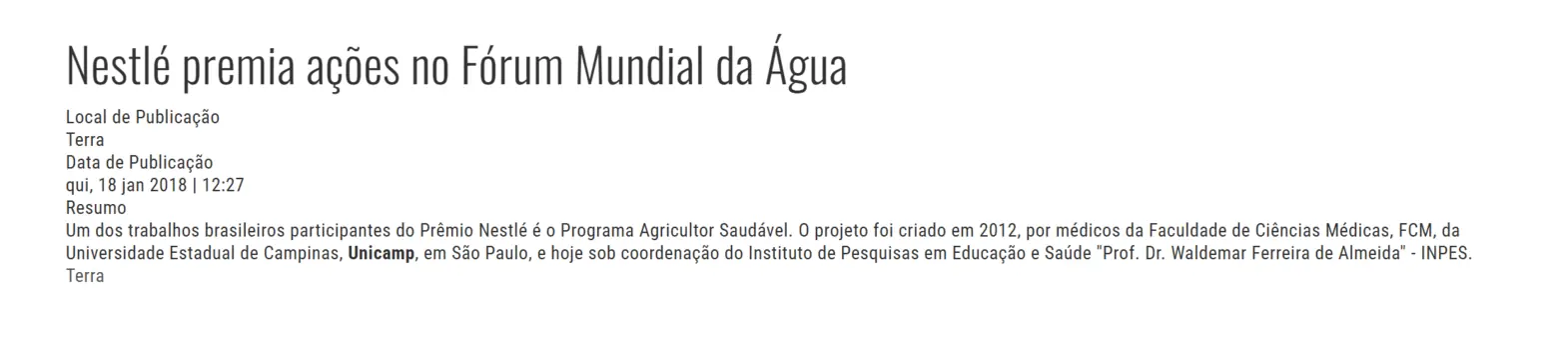
The teacher
At Unicamp, Dr. Waldemar invited the physician Ângelo Trapé to work with him. Trapé had taken a course with him and was working for the city government and for the Holambra Cooperative. In the 1980s, the two set up an epidemiological surveillance program for pesticide ecotoxicology: whenever a health service saw someone with a headache, nausea, sweating or dizziness after applying a product on a farm, the team went to the municipality to check whether it was poisoning.
Trapé later coordinated Unicamp’s Environmental Health area. When he retired, in 2017, he named the institute he had founded, Inpes, after his teacher: the Instituto de Pesquisas e Educação em Saúde Prof. Dr. Waldemar Ferreira de Almeida.
I had the opportunity to take a course with a professor called Waldemar Ferreira de Almeida, who is one of the pillars of pesticide toxicology in Brazil. (…) We did some studies together and he taught me a great deal about toxicology.
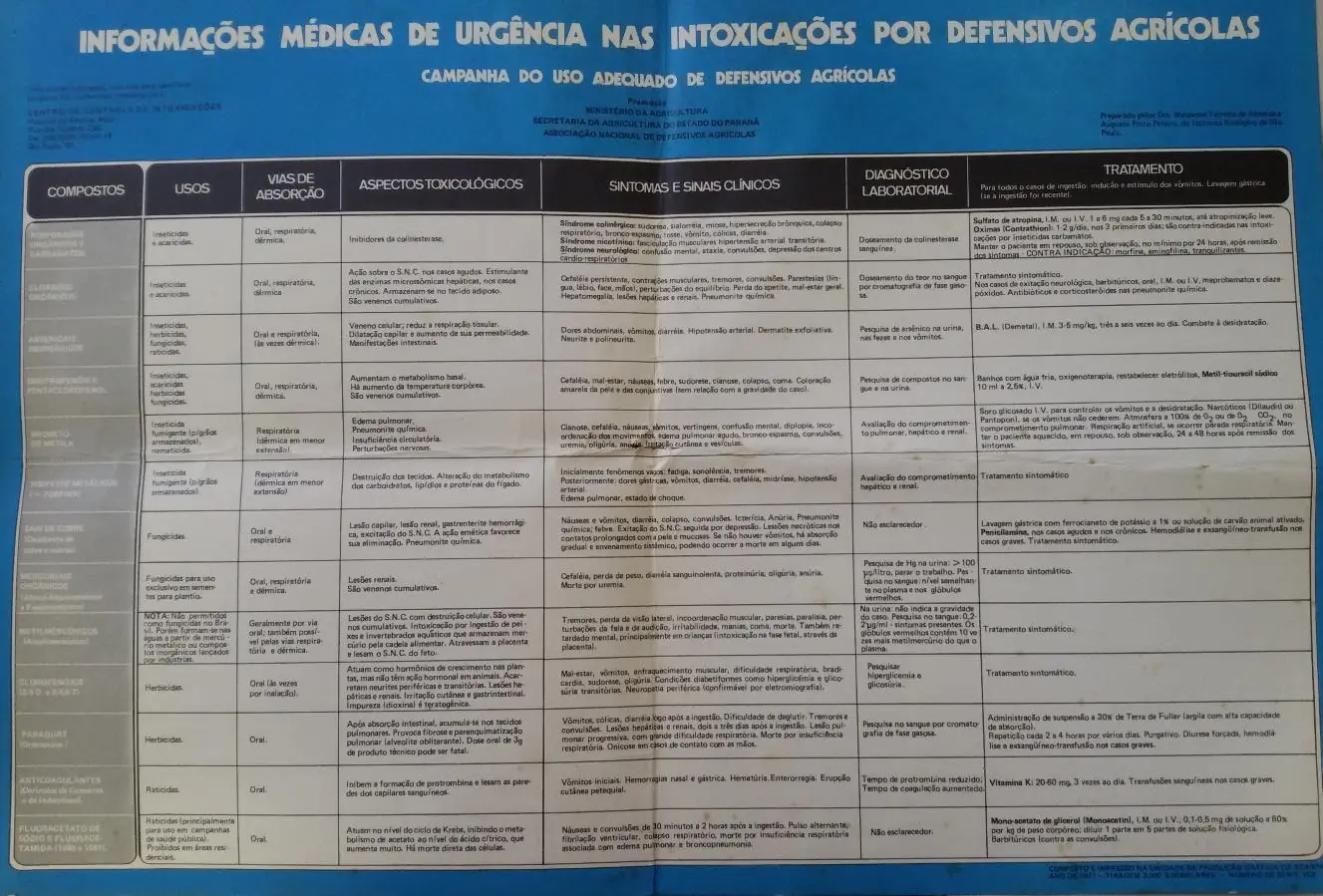
The first step for “people participation” should be the availability of clear information on the risks that pesticides represent to human and animal life and to the environment.
For today and the future
The exposure of farmworkers, residues in food and access to information were themes of his research and remain at the heart of public health. Six lessons, with what science knows today.
In 1972, he found DDT in the blood of people with no occupational exposure to the insecticide. Today this is called human biomonitoring: measuring substances, or what the body makes of them, in the blood or urine of the population, as national surveys do in the United States and Germany. In Brazil, the health regulator Anvisa has analyzed pesticide residues in food since 2001, and testing blood cholinesterase activity, which his team did in 1969, is still part of the occupational health rules for monitoring people who handle insecticides that inhibit this enzyme, such as organophosphates and some carbamates.
He calculated that each day the sprayers absorbed between 1/36 and 1/14 of the DDT dose that causes symptoms when taken in a single dose. But the exposure was repeated, and the results also suggested exposure of the population through food. Toxicology today studies what the LD50 does not show: the chronic effects of low doses, substances that alter the hormonal system and thereby cause adverse effects (endocrine disruptors), exposure to mixtures and the most vulnerable stages of life, such as pregnancy and childhood. For certain carcinogens that react directly with DNA, risk assessment usually assumes, at low doses, a model with no safe threshold. In 1979, he was already writing that, for carcinogens, “any dose, however small, always produces irreversible damage”.
In 1972, he was vice-chairman of the WHO committee meeting that outlined the classification of pesticides by hazard, adopted in 1975 and still revised today. The most hazardous classes are one of the criteria for identifying highly hazardous pesticides. The FAO/WHO International Code of Conduct allows them to be banned when risk-reduction measures are not enough. Under the 2023 Global Framework on Chemicals, effective measures should be taken by 2035 to phase them out of agriculture where the risks are not managed and safer, affordable alternatives are available, and to promote the transition to those alternatives. In Sri Lanka, researchers estimated that about 93,000 suicides were prevented between 1995 and 2015, in association with successive restrictions on these products.
In 1980, he argued for a course, an exam and a license for anyone who applies pesticides. In Brazil today, selling them directly to users requires a prescription from a qualified professional, except as provided by regulation, and rural labor rules require training for those who work with direct exposure and protective measures provided by the employer. Empty containers must be returned; before that, rigid containers of products that are mixed or dispersed in water must be triple-rinsed or cleaned by an equivalent technology, as the label and package insert direct. Clear information for the people at the end of the chain is still the first protection.
In the 1980s, his team at Unicamp, with Ângelo Trapé, visited the municipalities concerned to investigate suspected poisoning cases. In Brazil today, public and private health care providers must report suspected pesticide poisoning to public health authorities, and the Toxicological Information and Assistance Centers (CIATox) give advice around the clock. Even so, some cases go undiagnosed or unreported, which makes it hard to know how often poisoning really occurs, a problem he was already pointing out in 1984.
He researched exposure, discussed regulation and argued for clear information about the risks to people and the environment. Today there are more tools to reduce these risks, such as integrated pest management, which can include biological control, and agroecology; the effect of each depends on how it is used. In 2023, Brazil’s Law 14,785 replaced the 1989 Pesticides Law and divides the responsibility for registering and assessing these products among the agriculture, health and environment authorities.
Text written for this tribute based on current knowledge of toxicology, checked against the sources below. These are not his words, except for the 1979 quotation.
Writings
A truck handing out free soft drinks in a town square in rural São Paulo, and highly toxic insecticides sold to everyone, without any warning. A portrait of pesticide use in Latin America, and what to do about it.
Read the article, in Portuguese 1995Notícias ILSI Brasil, vol. IV, no. 2From traditional plant breeding to recombinant DNA: how to assess whether a modified food is safe, and who is responsible for it.
Read the article, in PortugueseThe 1984 article was also published in English, in WHO’s magazine World Health, from which the quotation above is taken; the page linked here is the Portuguese edition. Read the English issue in WHO’s repository
A sample of the dozens of works he published, cited in the Instituto Biológico biography and in Alves Filho’s dissertation. Titles as published in Portuguese, with a translation in brackets.
Further reading
The Instituto Biológico biography; the master’s theses by José Prado Alves Filho, on the pesticide prescription system, and by Leticia Solivo, on the history of DDT in Brazil; the studies by the historian Leonardo de Bem Lignani (Casa de Oswaldo Cruz/Fiocruz), who made Dr. Waldemar’s career the subject of his doctoral dissertation, as a window onto how pesticides came to be seen as a health and environmental problem in Brazil; and the testimony of one of his students. All in Portuguese.
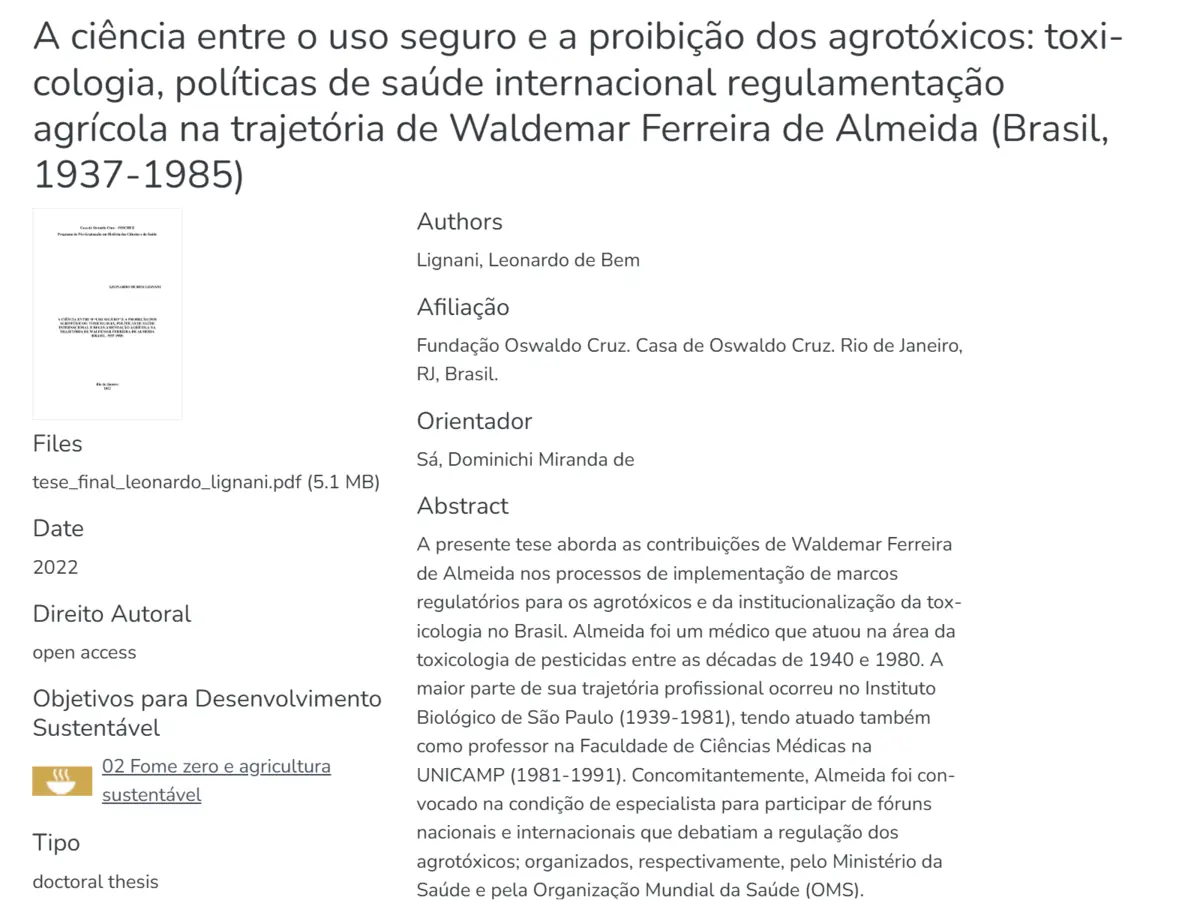
[Science between the “safe use” of pesticides and their prohibition: toxicology, international health policies and agricultural regulation in the career of Waldemar Ferreira de Almeida (Brazil, 1937–1985)]
Leonardo de Bem Lignani. Graduate Program in the History of Science and Health, Casa de Oswaldo Cruz/Fiocruz, Rio de Janeiro, 2022. 513 pages. Supervisor: Dominichi Miranda de Sá.
A whole thesis about him: Dr. Waldemar’s contributions to the regulatory frameworks for pesticides and to the institutionalization of toxicology in Brazil, from the Instituto Biológico (1939–1981) to Unicamp (1981–1991), and his role, as an expert, in the Ministry of Health and World Health Organization forums that debated how to regulate these products.
[The agronomic prescription: building a tool to support pesticide management, and the controversy over it]
José Prado Alves Filho. Master’s thesis, Graduate Program in Environmental Science (PROCAM), University of São Paulo, 2000. Cover and pages 80, 147 and 148.
The debate of the 1970s and 1980s over Brazil’s pesticide prescription system, with Dr. Waldemar’s case for licensing applicators and his book on the treatment of acute poisoning.
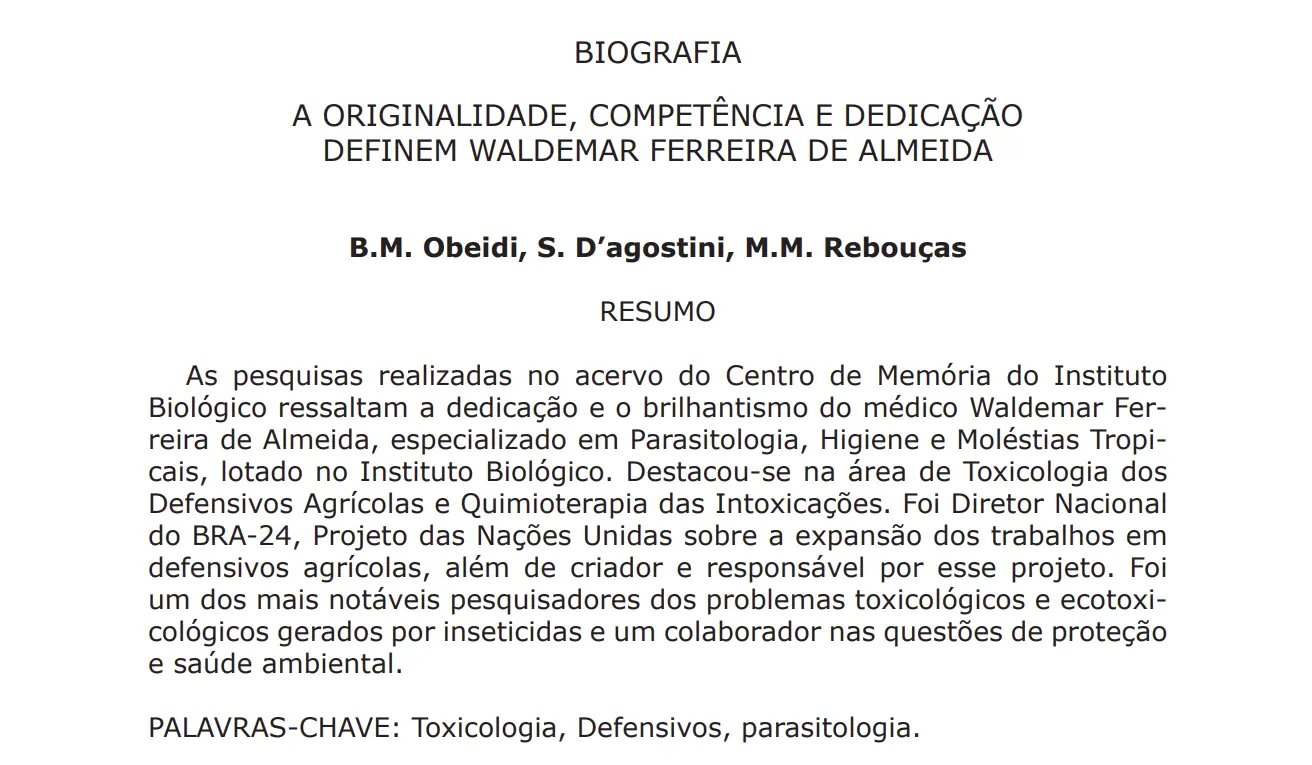
[Originality, competence and dedication define Waldemar Ferreira de Almeida]
B. M. Obeidi, S. D’agostini and M. M. Rebouças. Páginas do Instituto Biológico, v. 11, n. 1, p. 1–9, 2015.
His career at the Instituto Biológico, year by year, written from the archives of the Institute’s Memory Center.
[Pesticide toxicology: science, environmentalism and international health in the career of Waldemar Ferreira de Almeida (1939–1991)]
Leonardo de Bem Lignani, Casa de Oswaldo Cruz/Fiocruz, 2017.
His whole career, from the Instituto Biológico to Unicamp and Fiocruz, as a window onto the history of pesticides in Brazil.
DDT Debates in the Trajectory of Waldemar Ferreira de Almeida (1965–1973): Toxicology of Agrochemicals and Articulation Between Science, Health and Environment (English title as published)
Leonardo de Bem Lignani. Fronteiras: Journal of Social, Technological and Environmental Science, v. 7, n. 3, p. 123–144, 2018.
The BRA-24 project, his thesis on DDT in the blood of Brazilians and the WHO expert committee of 1972.
[Ângelo Trapé: “I think science has to be sovereign in everything”]
Aviação Agrícola, v. 4, n. 1, Jan.–Mar. 2021. Cover and pages 26–27.
The Unicamp medical toxicologist tells how he learned toxicology from Dr. Waldemar and was invited by him to work at the university.
[History of DDT in Brazil (1940 to 1980): from crop protectant to poison]
Leticia Solivo. Master’s thesis in History, Federal University of Fronteira Sul (UFFS), Chapecó, 2022. Cover and page 58.
The story of DDT in the Brazilian press, with Dr. Waldemar’s explanation to the newspaper O Estado de S. Paulo, in 1976, of the crops on which the insecticide was still allowed.
Scientific societies